I first learned about palo azul, also known as kidney wood, from a very knowledgeable and interesting Mexican bartender named Alex, who worked at our hotel in Chula Vista, California. We were right on the Mexican border; we could actually see it from the hotel. When I mentioned my love of herbalism, natural healing, and working with the way our bodies are designed to heal, Alex could hardly wait to tell me about one of his favorite natural remedies.
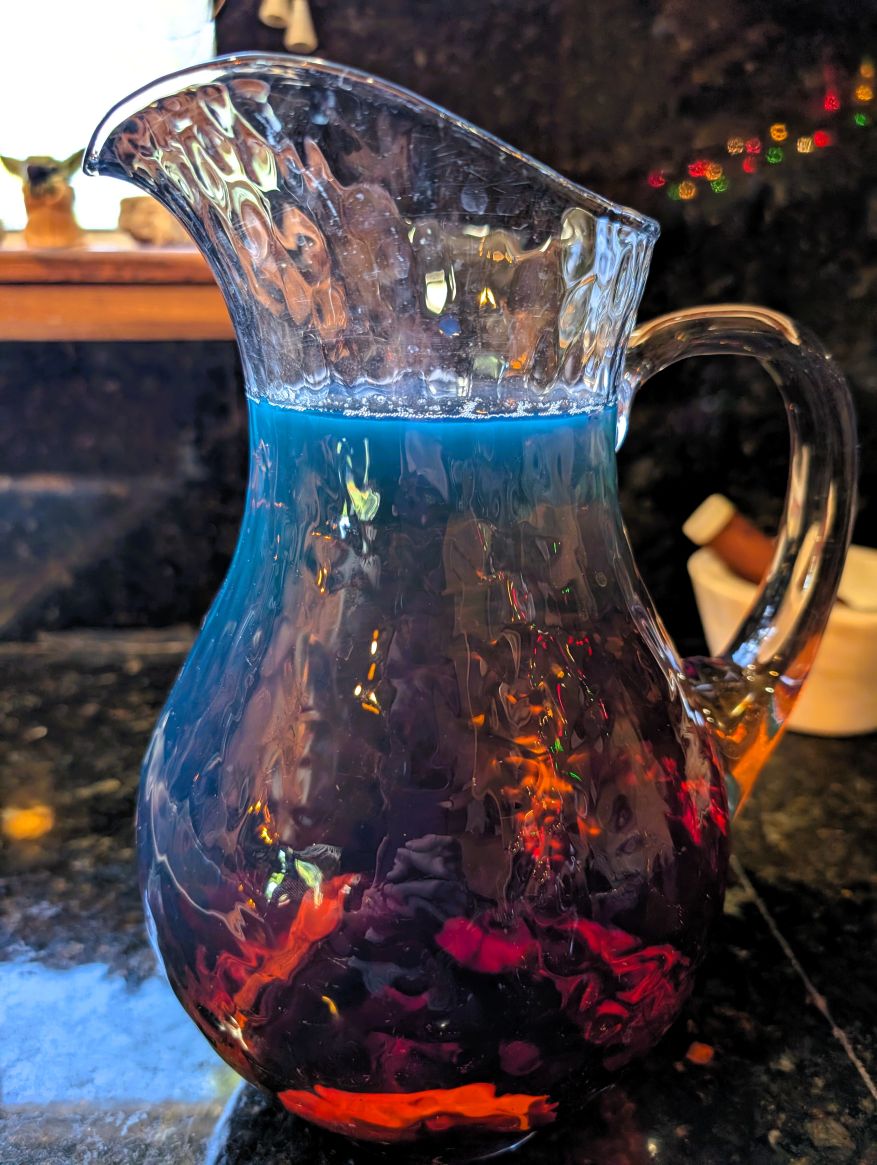
He described a Mexican root that looks just like wood chips (and he's right, it does) that people steep into a tea as a kidney flush. He told me it is absolutely amazing for the kidneys. I followed his instructions, with a smaller batch, and what came out of my glass pitcher was absolutely beautiful: a shimmering blue tea.
What Is Palo Azul?
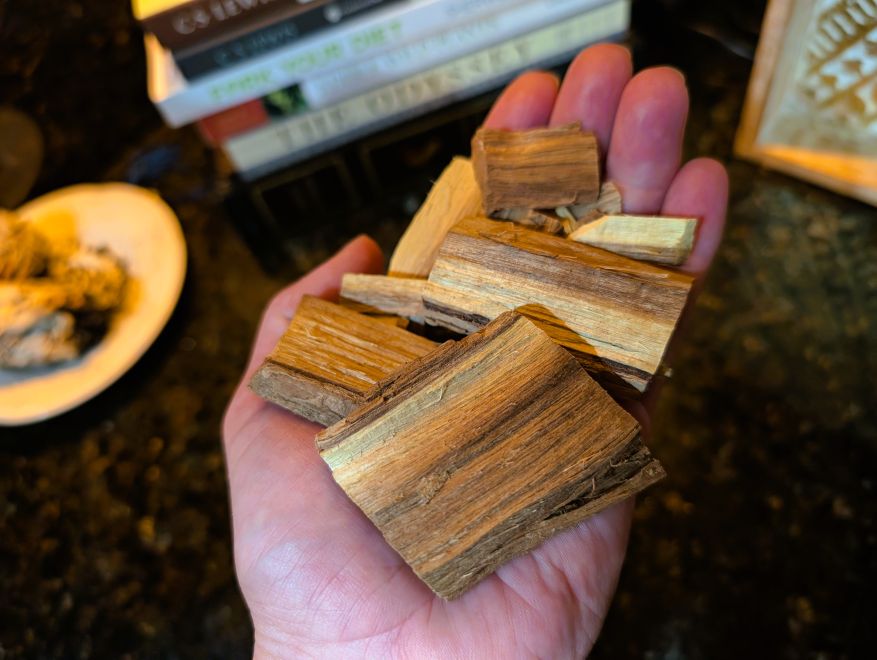
Palo azul (Spanish for "blue stick"), also called kidney wood, is the root of Eysenhardtia polystachya, a plant native to Mexico. The root is used as small chips that look just like wood chips, and it is traditionally steeped as a tea. It is believed to support kidney health and gentle detoxification, and many people have touted it for relieving urinary tract discomfort.
This humble root has built quite a reputation. It acts as a diuretic, meaning it encourages the body to make more urine, and it has been called antioxidant, anti-inflammatory, and antimicrobial. It has also been described as antilithic (it may work against stone formation), analgesic and antirheumatic (easing pain and achy joints), antidiabetic, and even anti-aging. Researchers tie most of these qualities to the plant's natural chemistry: a mix of tannins, saponins, quinones, coumarins, isoflavones, polyphenols, and flavonoids.
Much of what we know so far comes from traditional use, laboratory work, and animal studies, so I share the benefits below as potential benefits, not promises.
Potential Benefits of Palo Azul Tea
Before the list, a little honesty about the science. As far as I could find, the research on palo azul comes from traditional use, laboratory experiments, and animal studies. I did not find any human clinical trials. The studies also tend to use concentrated extracts, often made with alcohol or other solvents, so a simple cold-water tea may not behave the same way. These are potential benefits and promising leads, not promises.
Kidney & Urinary Tract Support
Kidney stones. Calcium oxalate is the most common kind of kidney stone, and palo azul has been studied for how it interacts with these crystals. In laboratory tests, two isoflavones taken from the bark slowed the clumping, formation, and growth of calcium oxalate crystals. They worked best in urine from people who don't form stones and less well in urine from people who do. In a separate rat study, bark extract left fewer stone deposits in the bladder as the dose went up. That makes palo azul an interesting candidate for further study, but it has not been shown to prevent stones in people.
Urine flow and UTIs. In one rat experiment, a water extract of the bark, at higher doses, made the animals produce about as much urine as a standard diuretic drug did. Palo azul has long been used traditionally for urinary infections and kidney discomfort. The idea is that extra urine flow helps rinse the urinary tract, while its anti-inflammatory and antimicrobial qualities may calm irritation.
Pain & Inflammation
Arthritis and pain. Researchers gave rats with induced arthritis an alcohol extract of palo azul bark, along with flavonoid-rich portions of it, and saw less swelling, less damage to the joints, and lower levels of inflammatory signals such as IL-6 and TNF-alpha. In mice, the same extract reduced pain responses in two standard pain tests. That lines up with palo azul's folk reputation for achy joints, but it is animal work with a concentrated extract, so it is a lead, not proof.
Blood Sugar Support
Blood sugar is another area where palo azul has shown early promise in the lab. When mice with chemically induced diabetes were given a bark extract by mouth, their blood glucose fell and their insulin rose, and measures such as body weight, blood fats, and liver markers moved in a healthier direction. In test-tube experiments, the extract also interfered with glycation, the process in which sugars latch onto proteins and form damaged compounds called advanced glycation end-products, or AGEs. These compounds are associated with long-term diabetes complications, including problems with the kidneys and liver. The researchers credited the bark's phenolic compounds and flavonoids. If you have diabetes or take anything to manage blood sugar, please check with your health care provider before adding palo azul.
Protective & Preventive
Premature aging. In laboratory antioxidant tests, bark extract neutralized free radicals, bound up metals that fuel oxidation, and reduced the oxidation of fats. Antioxidant activity like this is why palo azul sometimes gets called "anti-aging."
Cavities and gum health. In dish experiments, alcohol extracts of palo azul held back two mouth bacteria: Streptococcus mutans, associated with tooth decay, and Porphyromonas gingivalis, associated with gum disease.
Research I Looked At
If you'd like to read further, here are the sources behind the points above. Most are lab and animal studies or reviews of them.
- Diuretic activity of the bark of Eysenhardtia polystachya: a rat study of the bark's effect on urine output.
- Inhibitory effect of isoflavones from Eysenhardtia polystachya on calcium oxalate crystals: a laboratory study of the bark's isoflavones and crystal formation (published in Spanish).
- Molecules (2022) review of Mexican medicinal plants for kidney stones: an overview of animal research, including palo azul.
- Evaluation of antidiabetic, antioxidant and antiglycating activities of Eysenhardtia polystachya: mouse and test-tube work on blood sugar, antioxidants, and glycation.
- The ethanolic extract of Eysenhardtia polystachya bark and rheumatoid arthritis in murine models: rat and mouse studies on joint inflammation and pain.
- Plants (2020) review of the Eysenhardtia genus: a broad summary of the plant's traditional uses and laboratory findings.
- UTEP Herbal Safety fact sheet on kidneywood: traditional uses, the mouth bacteria findings, and safety notes.
How I Made My Palo Azul Tea
Alex's instructions were simple: fill a gallon jug with a fistful of palo azul chips and steep it in cold water until the top turns blue. I followed them with a smaller batch, using cold filtered water and my glass water pitcher.
Step 1 — Soak
The kidney wood chips look just like wood you might burn in your fireplace. They have lovely coloring. Add your palo azul chips to a glass pitcher or jar and fill it with cold, filtered water. Alex's version was a fistful of chips in a gallon jug. I made a smaller batch in my glass water pitcher.
Step 2 — Steep
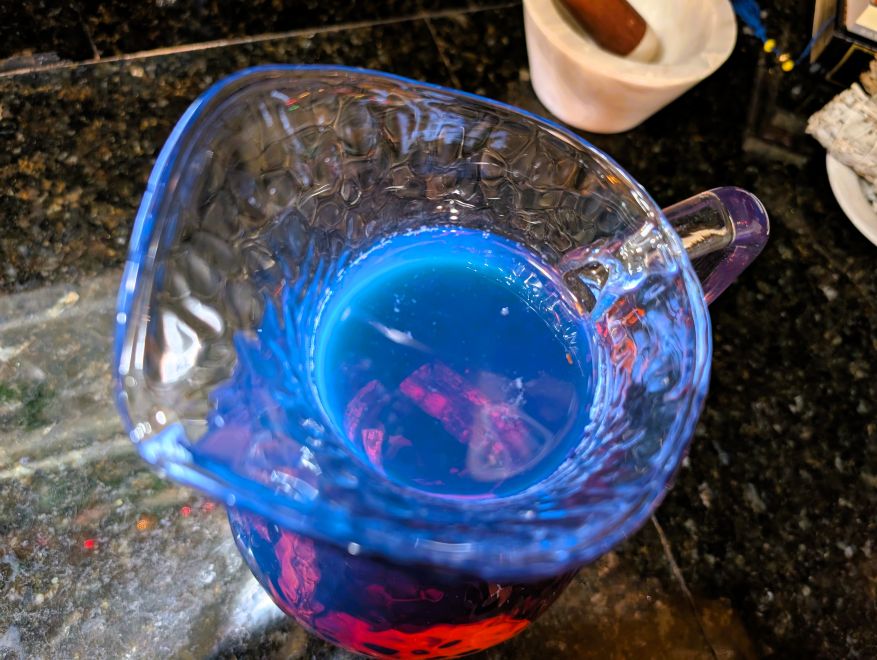
Cover the pitcher and let it sit on the countertop. I covered mine with plastic wrap. Steep until the top turns blue; mine took roughly 72 hours. When I moved the pitcher in the light, I could see the blue not just on top but through the whole pitcher. It was absolutely beautiful.
Step 3 — Drink
Alex drinks about two pints a day for three days, once or twice a month, and adds nothing to the tea. Since this was my first time, I listened to my body and drank one large glass a day until the pitcher was gone. Next time I plan to try his full two pints a day for three days.
My First Experience with Palo Azul Tea
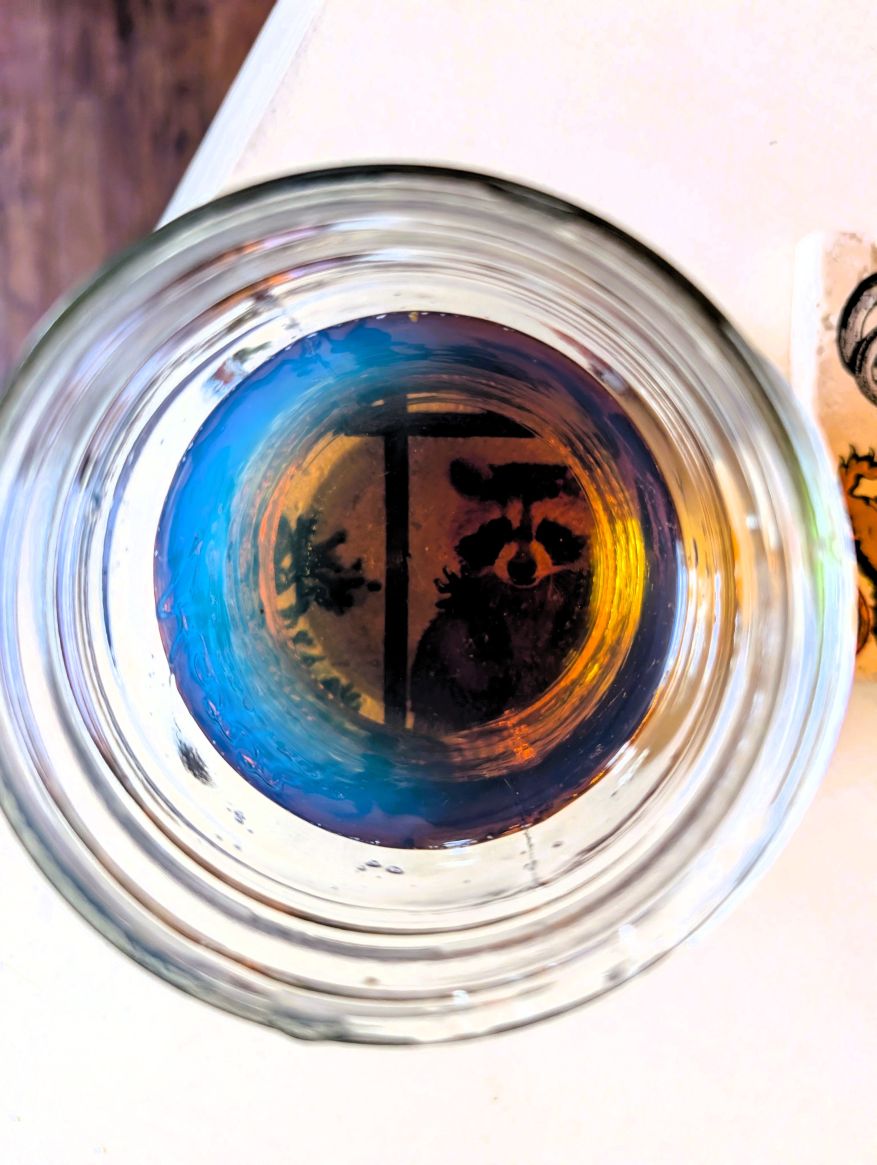
The taste surprised me in the best way. There was nothing difficult about drinking it.
I felt very good while I was drinking it and good afterward, though I usually feel good, so I can't point to anything dramatic. Would I try it again? Yes. Next time I plan to follow Alex's full protocol of two pints a day for three days and see whether I notice anything extremely different. I'll report back.
Note: Palo azul tea is not a substitute for medical care, and its potential benefits are based on traditional use and preliminary research. If you have kidney disease or a history of kidney stones, have diabetes or blood sugar concerns, take any medications, or are pregnant or nursing, please consult your health care provider before using it. If you suspect a urinary tract infection, please seek professional medical care.
Alex's Chula Vista Picks
Just for fun: Once Alex learned that I love historic landmarks and learning and feeling local history, he had a whole list of favorite things to see, do, and eat around Chula Vista and San Diego. Here are his recommendations.
Cabrillo Lighthouse
I told Alex I was interested in historic landmarks, and he strongly recommended the Cabrillo Lighthouse. He said it is beautiful and full of history, and he suggested going at low tide. He also told us to head to the top parking lot, where there is a really neat shop and you can watch movies about the history of the place.
Mitch's Seafood
On the way to the lighthouse, Alex said we must stop at Mitch's Seafood in the Point Loma and Shelter Island area. Get a cup of the New England clam chowder, not a bowl, because he says a bowl is enormous. Then get three very specific tacos: one fish, one octopus, and one shrimp. He repeated several times that we simply must eat this, and that they get all of their seafood supplies fresh.
Annie's Canyon Trail
For hiking, Alex suggested that we check out Annie's Canyon Trail.
Torrey Pines Gliderport
Alex said the Torrey Pines Gliderport has some really neat paragliding and an amazing sandwich shack.
H&M Landing
If you enjoy fishing, Alex mentioned that H&M Landing often has extremely good fishing.
El Pastor Del Rica
One of Alex's favorite taco places, and nowhere near the lighthouse, is El Pastor Del Rica on Broadway in Chula Vista. He said they are some of the best tacos around, and he was right. We went and ate their tacos, and they were absolutely delicious, and so were all of the different toppings they included.
Note: These are Alex's personal recommendations, shared just for fun. Hours, prices, and tide conditions change, so please check ahead before you go.
More Herbal Teas
If you enjoy herbal teas, you may also like red raspberry leaf tea, a nutritive, calming tea we reach for year-round in our home, and cleaver tea, a gentle springtime infusion from wildcrafted cleavers. You can browse everything else in God's pharmacy on the Natural Remedies page.
Palo Azul Tea Resources
| Palo Azul Tea (Kidney Wood) | The palo azul chips I use to make this tea. |
| Glass Pitcher | The glass pitcher I steep my palo azul tea in. |