Cleaver tea is one of the simplest infusions I make, and one of the most rewarding, because it starts with a walk outside rather than a trip to the store. Cleavers — Galium aparine — show up early in spring, often in great abundance, and a short foraging session is usually all it takes to gather what I need. The tea itself has a mild, green, slightly grassy flavor, and I find it a gentle, grounding addition to my springtime routine.
Foraging Wild Cleavers
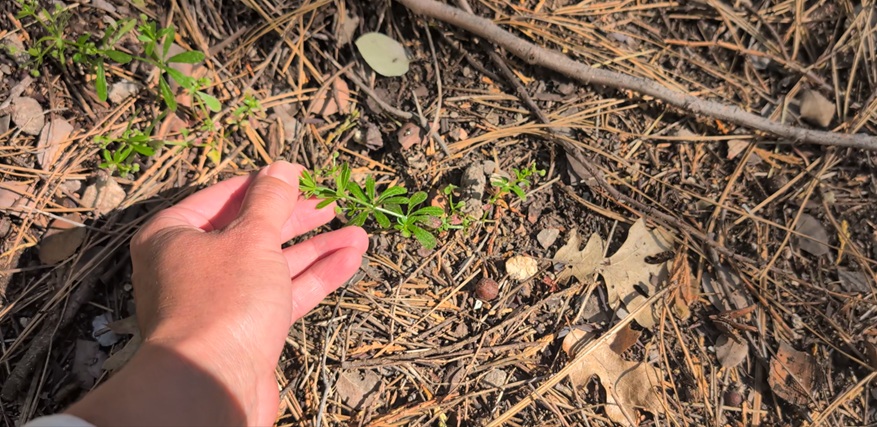
Cleavers are easy to spot once you know what you're looking for — sprawling, climbing stems lined with tiny hooked hairs, and leaves that grow in distinctive whorls around a square stem. They tend to favor disturbed soil, hillsides, garden edges, and the dappled shade beneath trees and shrubs. I most often find them carpeting a hillside or climbing up alongside a fence line in early spring, before the heat of summer arrives and they naturally die back.
When I forage, I look for vibrant green growth, away from roadsides or anywhere that may have been sprayed with chemicals. I harvest the above-ground portions of the plant — stems, leaves, and any flowers present — using scissors or simply pinching the stems, and I leave plenty behind so the patch can keep thriving.
While cleavers are only available fresh during their peak season — typically spring and early summer — I like to take advantage of that abundance while it lasts. I rinse a generous batch, hang it to dry, and once fully dried, store it in a glass jar. This way, I can enjoy fresh cleaver tea during the season, and dried cleaver tea all year round, long after the plants have died back for the year.
Why I Drink It
Cleavers have a long history of traditional use as a gentle cleansing herb, particularly valued for supporting the lymphatic system, the urinary tract, and the skin. I personally reach for cleaver tea when I feel like my lymphatic flow could use a little encouragement — it's one of the herbs I turn to most for that purpose. Galium aparine is also touted to help heal many types of cancer and to aid in dissolving kidney stones.
For more on the plant itself — how to identify it, where and when it grows, and its place in traditional herbal practice — visit my Cleavers Botanical page.
How I Make My Cleaver Tea
Step 1 — Rinse or Measure
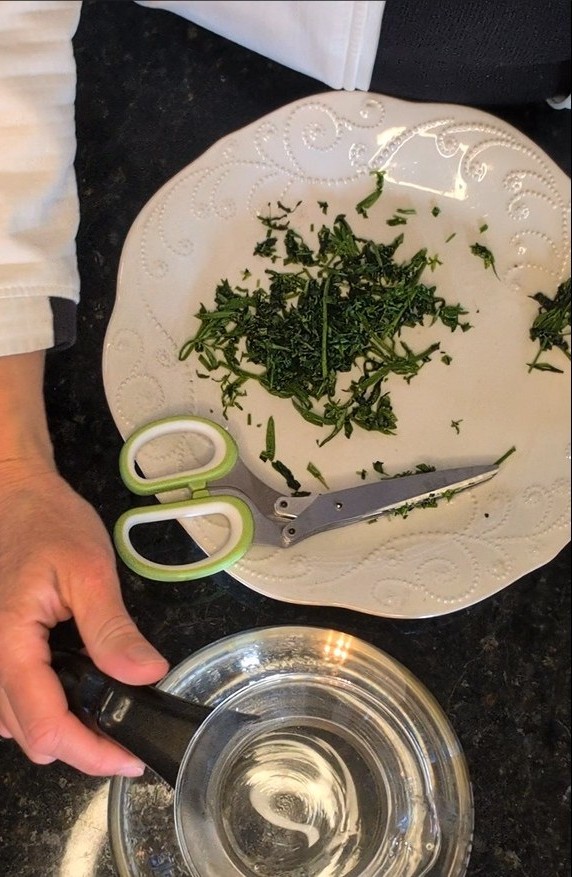
For fresh cleavers, I rinse well under cool water to remove any dirt, dust, or hitchhiking bugs, then give the stems a gentle shake or pat them dry. I then cut them up into smaller pieces with my herb scissors. For dried cleavers from my jar, I simply measure out about a tablespoon or two.
Step 2 — Steep
I then place a small handful of fresh cleavers, or a tablespoon or two of dried, into my glass teapot containing hot (not boiling) filtered water. I place the teapot cover back on to keep the good stuff from escaping in steam. Cleavers are a delicate herb, so I avoid placing them into boiling water. Let steep for approximately 7 minutes (can do longer if you prefer).
Step 3 — Strain & Enjoy
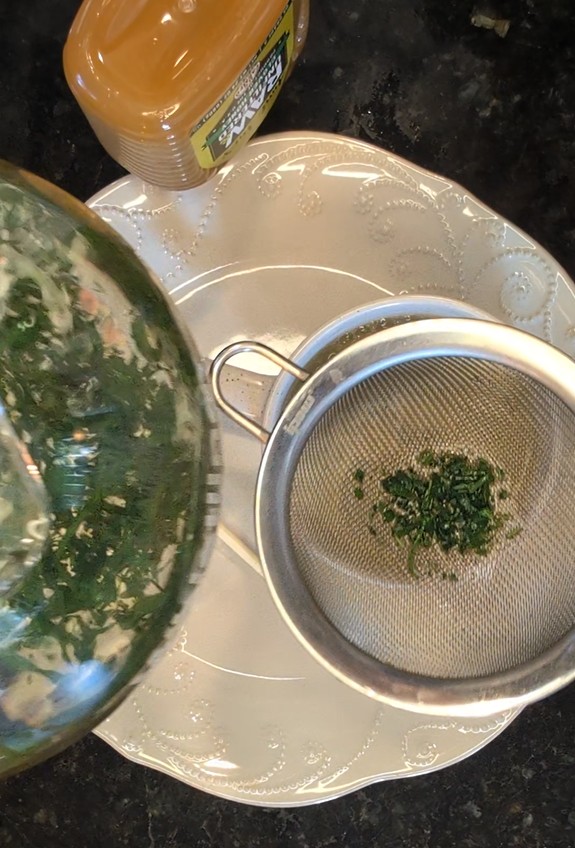
Strain (I use stainless steel strainers) out the plant material and enjoy warm, or let it cool and refrigerate to enjoy cold. Cleaver tea has a mild, fresh, slightly vegetal flavor on its own. I often mix it with other herbs including peppermint, red raspberry leaf or lemon balm to make a blend. I always add a touch of organic raw honey.
Watch: How I Make Cleaver Tea
Note: Cleavers are generally considered a gentle, well-tolerated herb, but as with any wild plant, proper identification before consuming is essential. If you are pregnant, nursing, or have any kidney or health concerns, please consult with your healthcare provider before use.
Valuable Cleaver Tea Supplies
| Borosilicate Glass Teapot | The glass teapot I use for all of my herbal teas. I prefer glass so as not to leach harmful chemicals into my tea. I use mine on a natural gas stove with an actual flame with no issues. |
| Herb Scissors | I use these to cut fresh cleavers into smaller pieces before steeping. Makes the job quick and easy, and they work beautifully for all fresh herbs. |
| Stainless Steel Mesh Strainers | After steeping, I strain the cleavers out using my handheld stainless steel mesh strainers — into my mug or into glass jars I store in the refrigerator to enjoy cold later. |
More Cleaver Resources
Cleavers are a plant I keep coming back to, and I'm slowly building out a full collection of resources around them here on the site. If you'd like to learn more about identifying cleavers in the wild, their traditional uses, and their growing habits, visit my Cleavers Botanical page. I am also working on a page dedicated to making cleaver tincture, which will live here in the Natural Remedies section — check back soon!