We use red raspberry leaf tea regularly in my house. It has a very pleasant taste, especially with a little raw, organic honey added to it. It is easy to make and easy to drink. I will often make a large batch, enjoy a hot cup, and bottle and refrigerate the rest to enjoy iced the next day. This tea is nutritive, calms the stomach, helps with "female issues," and is known as a "flu" fighter, among other benefits.
Nutrients in Red Raspberry Leaf
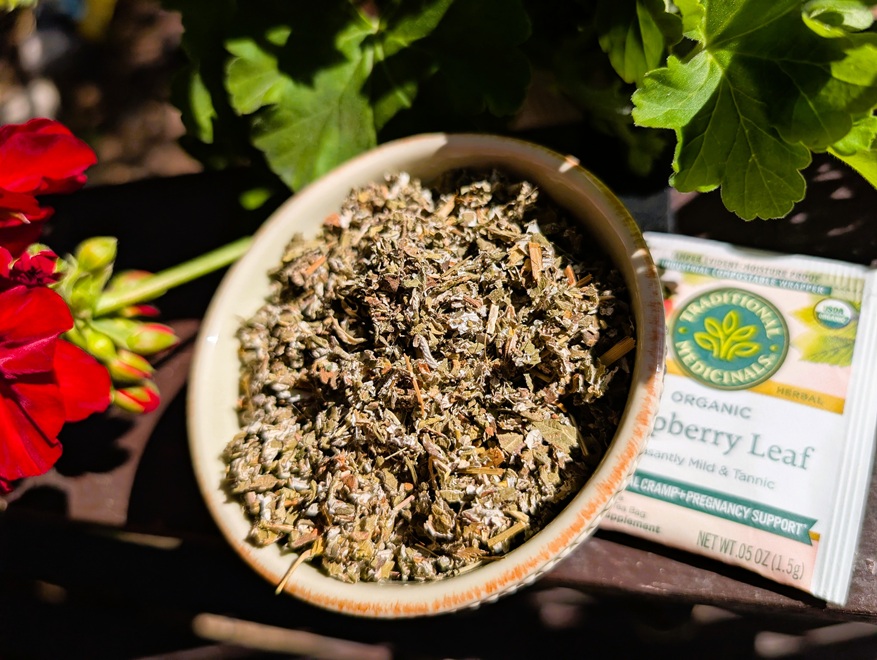
Red raspberry leaf contains several vitamins and minerals including calcium, magnesium, iron, potassium, manganese, B vitamins, and vitamins C, E and A. Given that the raspberry plant did the work of making these minerals and vitamins bioavailable, they are more easily assimilated in our bodies than lab-created, inorganic forms.
A Women's Health Herb
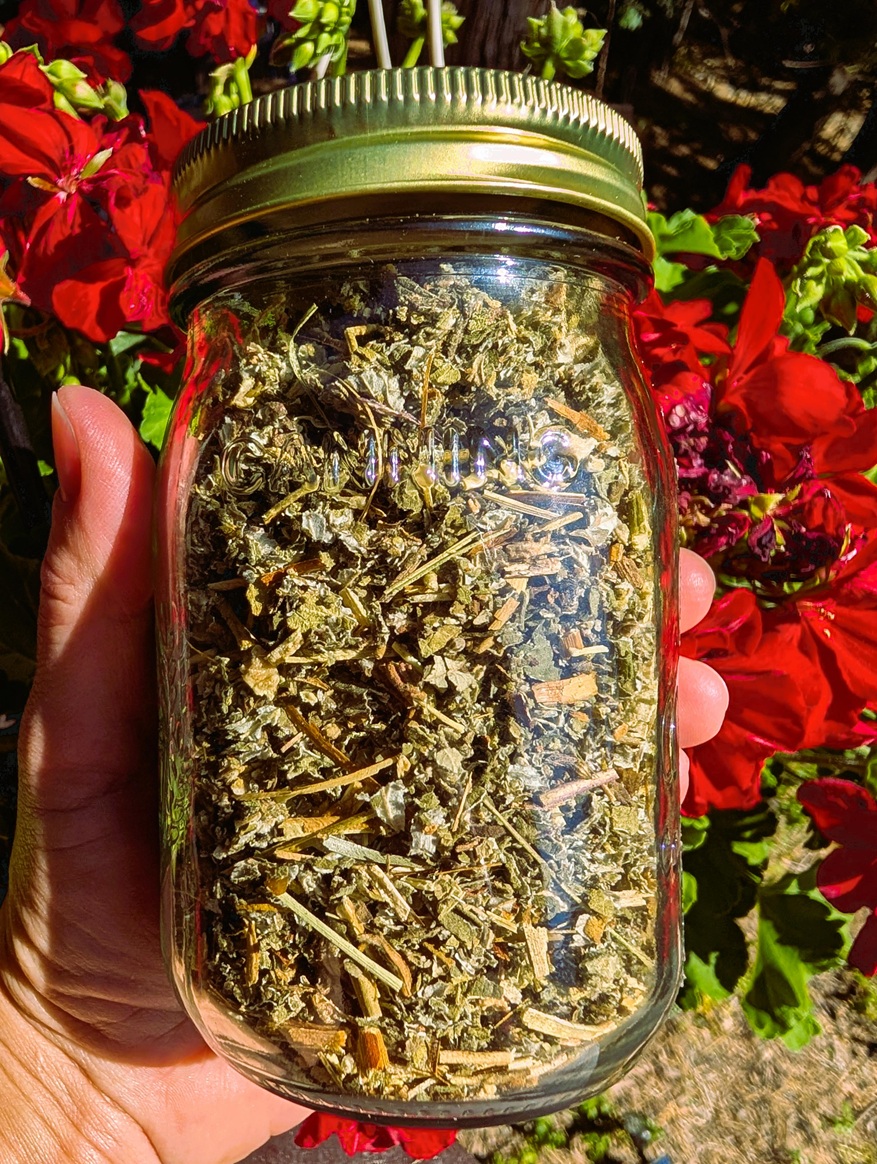
Raspberry leaf is known to increase the tone and function of the uterine system, including help regulating the menstrual cycle. Part of this benefit is a decrease in "moodiness," cramping, excessive bleeding and general discomfort some women experience during their cycle. Given that red raspberry leaf is high in B complex vitamins, which are known to help combat PMS, it can help alleviate moodiness and irritability associated with a woman's cycle.
During pregnancy red raspberry leaf has been used to decrease morning sickness and general queasiness as well as false labor pains. After birth this herb has been used to help return the uterus to its normal size and decrease bleeding along with improving breast milk quality.
A Flu Fighter
The bioavailable vitamins and minerals in this tea, including vitamin C, make it a common ingredient in "flu" fighting teas. I use it solo in my home, year round, for the vitamin and mineral benefits which are good for general health and the immune system. The polyphenols found in red raspberry leaf are known to have antioxidant properties. Among these compounds is ellagic acid, touted to have anticancer effects. Flavonoids and tannins found in the tea are known to have antioxidant and anti-inflammatory properties.
How I Make My Raspberry Leaf Tea
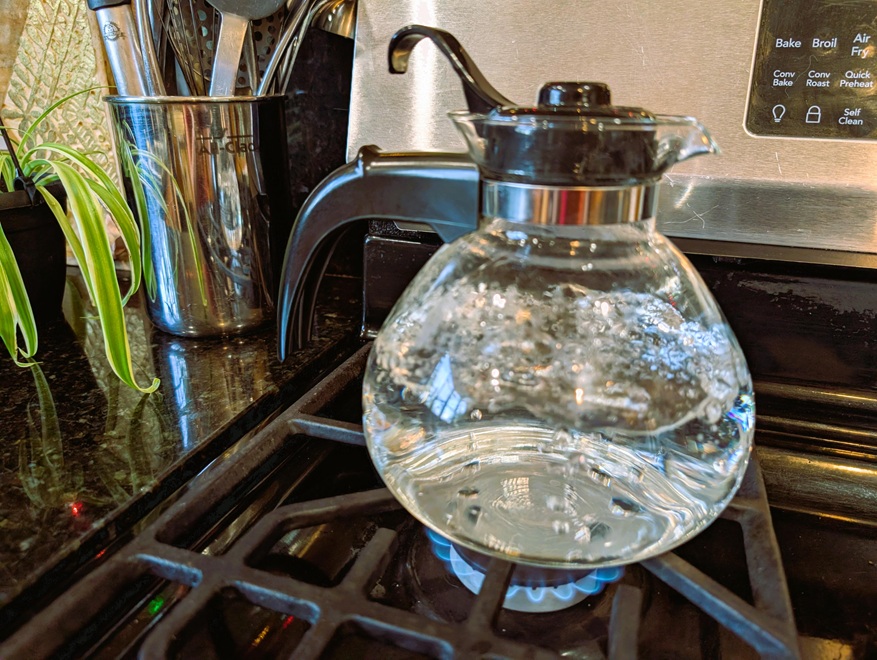
Step 1 — Boil
Boil filtered water in a glass tea pot. I use this borosilicate glass teapot to boil my water. I prefer glass so as not to leach harmful chemicals into my tea. I filter my water using a Clearly Filtered pitcher or a Berkey ahead of time.
Step 2 — Steep
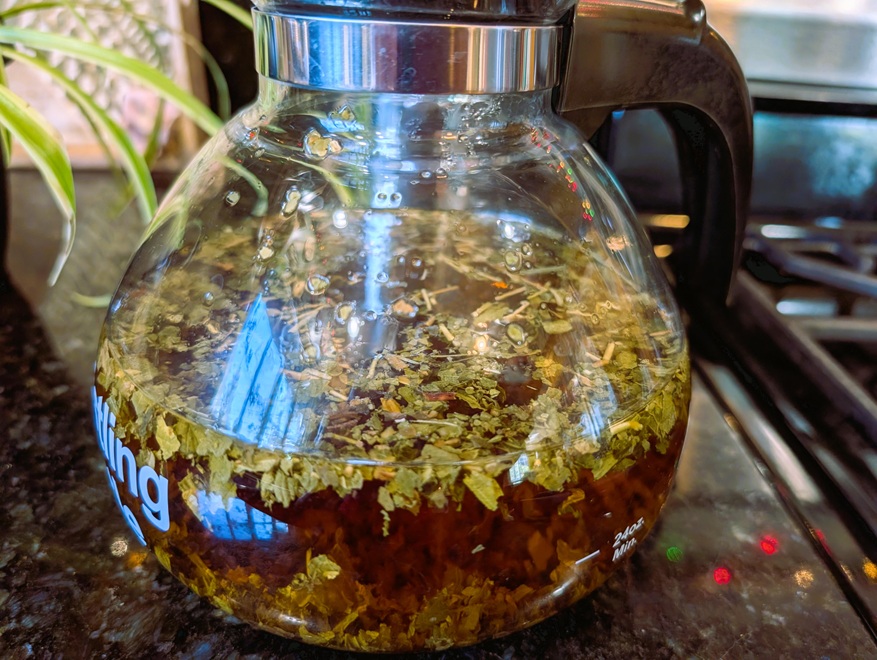
Turn off the heat and add 1 tablespoon of organic dried leaves per 8oz cup of tea. Place the lid back on to keep the beneficial compounds from escaping. Steep for approximately 7 minutes. For a milder flavor, steep for 5 min.
Step 3 — Enjoy
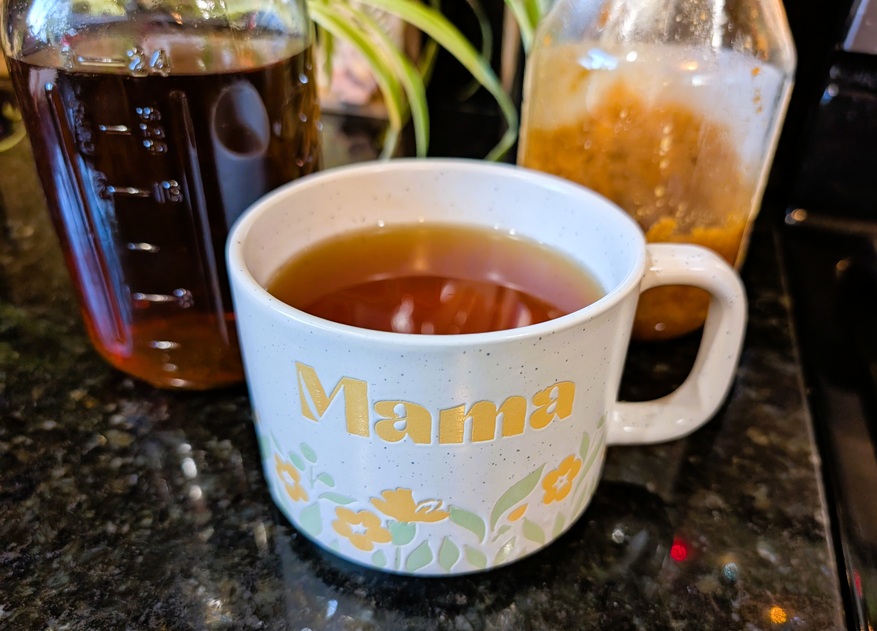
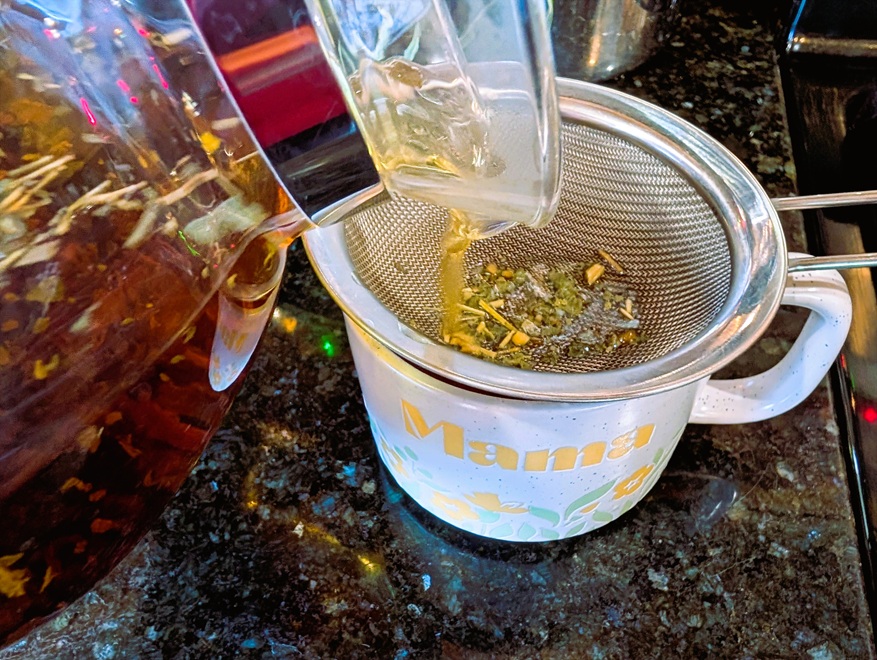
Strain the tea. I use stainless steel strainers. After it cools a tad, add a bit of organic raw honey, and sip. Make large batches and refrigerate in glass jars to drink as iced tea later. I aim to drink a quart of this tea most days.
Note: Red raspberry leaf tea is generally considered safe for most people. However, if you are pregnant, please consult with your midwife or health care provider before use, as recommendations on timing during pregnancy vary.
Red Raspberry Leaf Tea Resources
| Borosilicate Glass Teapot | The glass teapot I use — I have had mine for years and in fact have two, just in case. It has never failed me and does its job well. The price is excellent. I use mine on a natural gas stove with an actual flame with no issues. It also comes with a metal adapter for use with electric stove tops. |
| Red Raspberry Leaf Tea | I have used a variety of different organic red raspberry leaf teas. Among my favorites are Traditional Medicinals and Anthony's organic tea. |
| Stainless Steel Mesh Strainers | After my tea is done steeping in my glass teapot, I strain it out into my teacup or into the jars I store it in in the refrigerator using my handheld mesh stainless steel strainers. |
| Be Your Own Doctor | One of my most-referenced books. Has an entire chapter on red raspberry leaf, plus several chapters on herbals and real-life healing stories. |