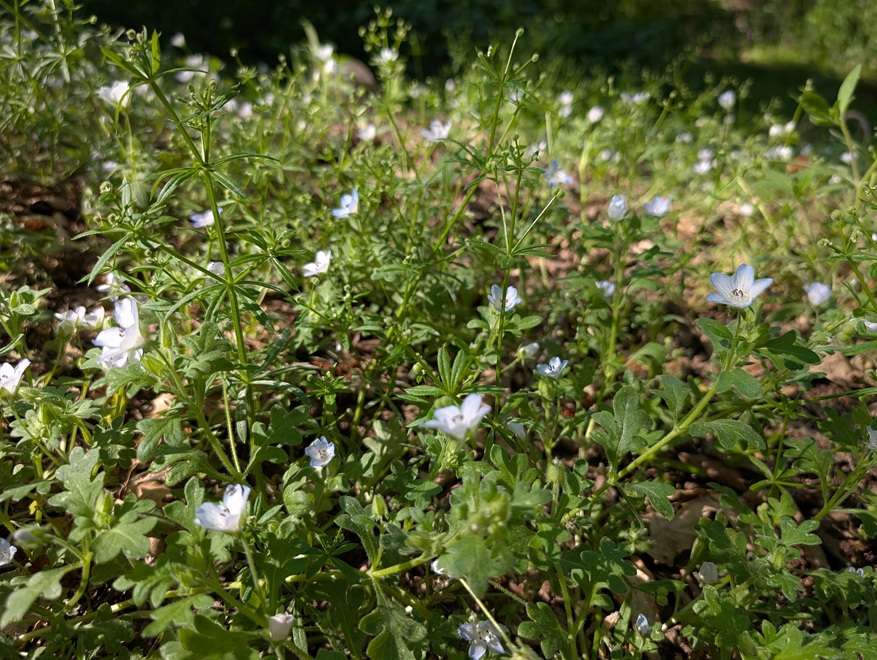
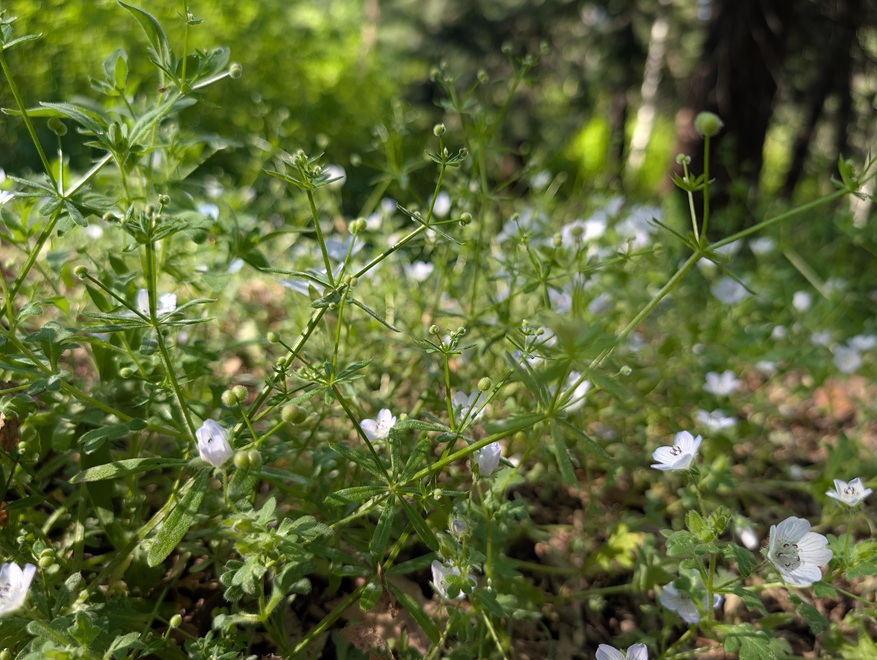
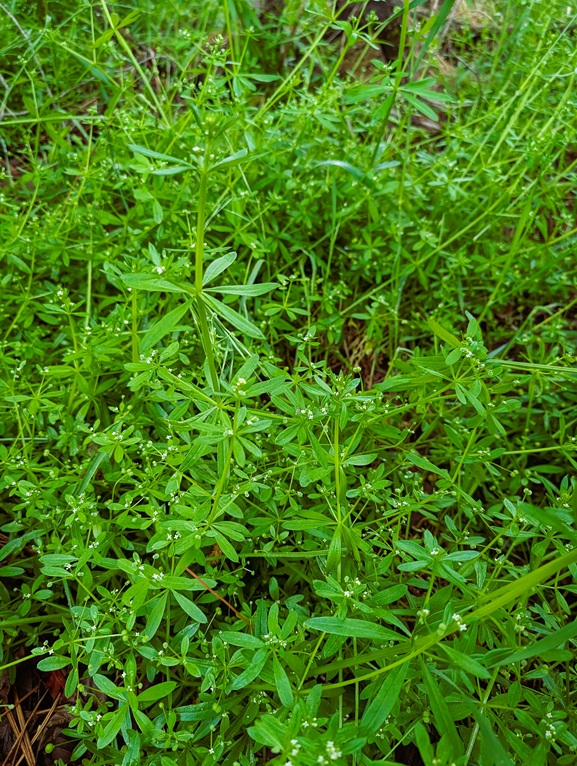
Cleavers — known botanically as Galium aparine and also called goosegrass, sticky weed, or bedstraw — is one of my favorite plants, and one of the easiest to identify. Their climbing, sticky segmented stems with characteristic whorls of leaves make them unmistakable. What most people brush off as a garden nuisance, traditional herbalists have treasured for centuries.
Getting to Know Cleavers
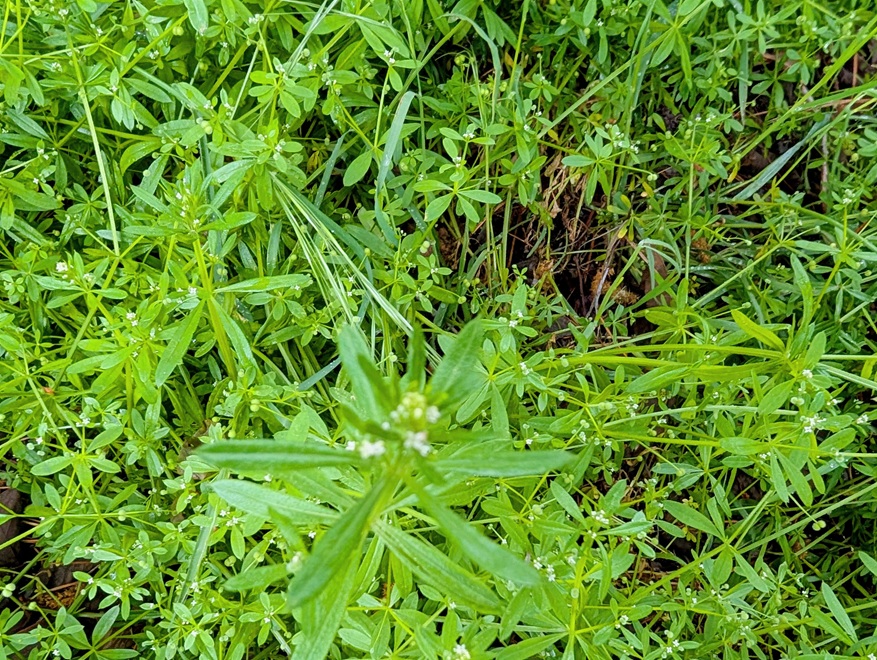
Cleavers grow as a sprawling, climbing annual — their stems lined with tiny hooked hairs that let them scramble over neighboring plants, fences, and anything else in their path. This is also the trait that gives them their many common names: the stems and seeds cling — or "cleave" — to fabric, fur, and skin with a gentle, velcro-like grip.
The leaves grow in distinctive whorls of six to eight, encircling the square stem at regular intervals — a feature that, once you learn to recognize it, makes cleavers nearly impossible to mistake for anything else. Small, star-shaped white flowers appear in late spring, followed by tiny round burred seed pods.
Where and When
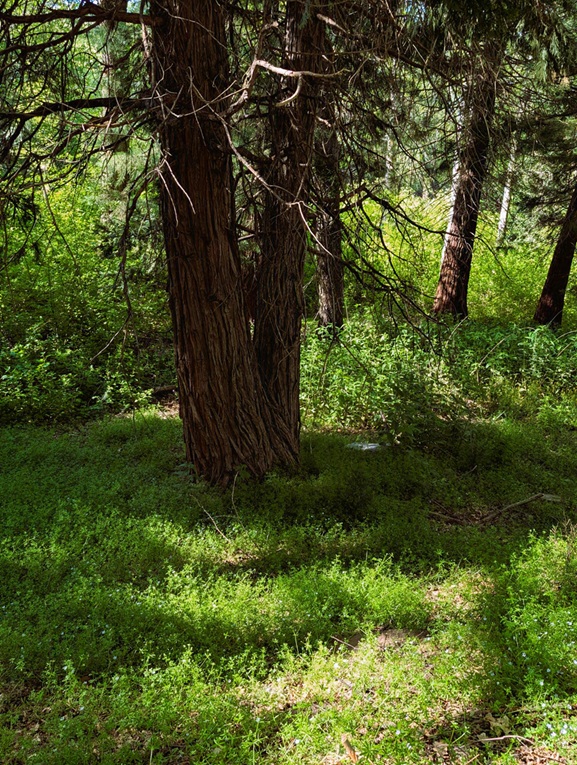
Cleavers are a true springtime plant — emerging early in the season and growing vigorously before the heat of summer arrives, at which point they naturally die back. They favor disturbed soil, hillsides, garden edges, and the dappled shade beneath trees and shrubs. Once you know what to look for, you'll likely start spotting them everywhere — climbing fences, sprawling across hillsides, and tucked into the edges of yards and trails.
A Plant Traditional Herbalists Treasured
What most people brush off as a garden nuisance, traditional herbalists have valued for centuries as a gentle yet powerful cleansing herb — especially prized for supporting the lymphatic system, urinary tract, and skin. Some herbalists even tout cleavers as a natural aid for dissolving kidney stones, making this humble sticky weed one of nature's most quietly impressive remedies.
I find it endlessly fascinating how a plant so many people pull and discard without a second thought carries such a long, respected history in traditional herbal practice. Learning to truly see the plants growing all around us — rather than walking past them — has been one of the great joys of my natural healing journey. I personally like to pick cleaver stems, throw them at my hiking companions, and watch them stick to their backs. They are so light, oftentimes, they can't even tell I threw a stalk at them. :) I use cleavers as a tea and a tincture. I share how I do this, in detail, in my How to Make Cleaver Tea page and in my How To Make a Cleaver Tincture page (coming soon).
Cleaver Remedies
I use cleavers in several ways as part of my natural healing toolkit. Visit the pages below to learn how I prepare and use this remarkable plant:

Wildcrafted, fresh or dried — my step-by-step method for making cleaver tea at home.
Cleavers in Bloom
Click any image to open it full size.